

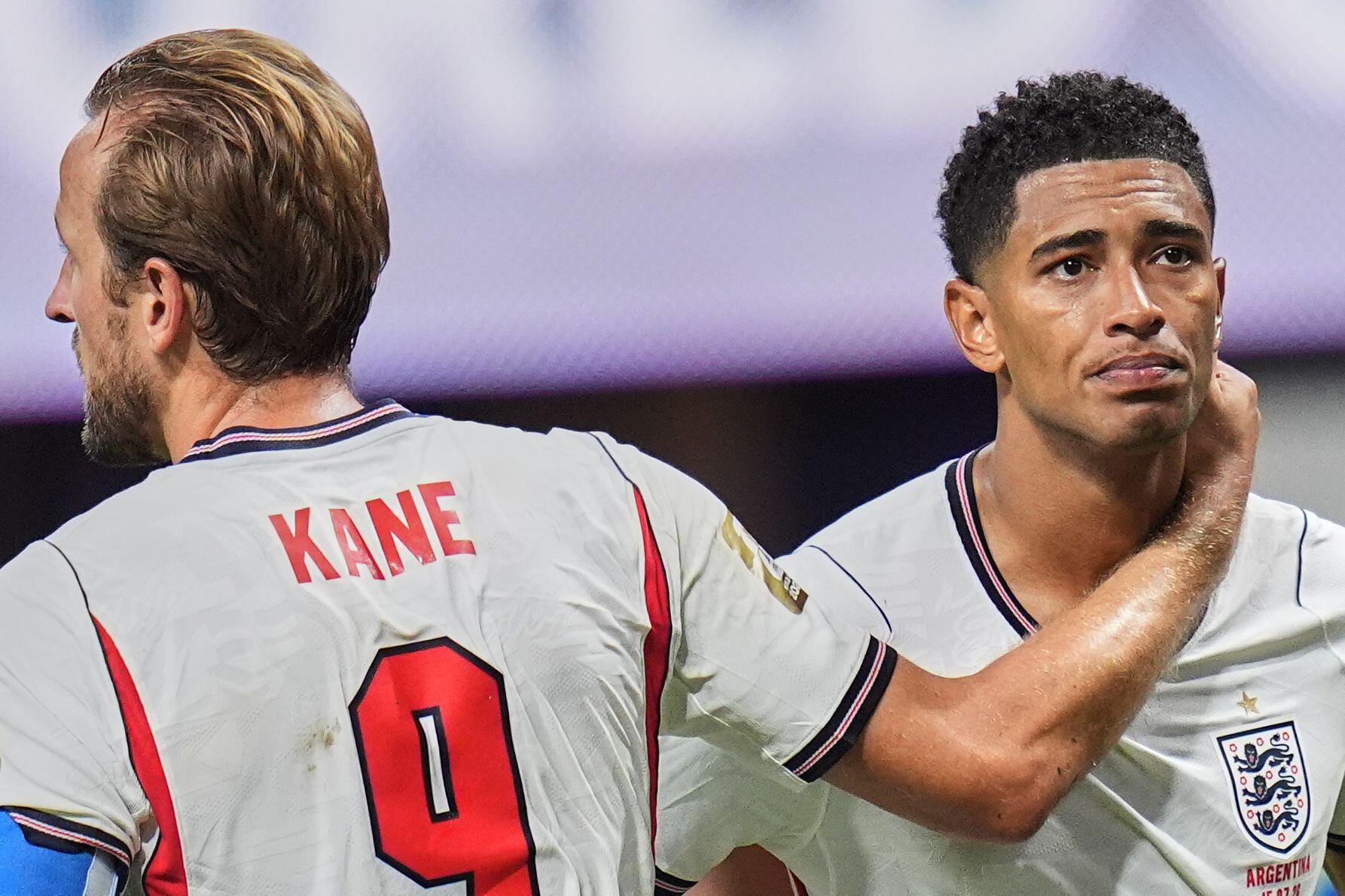
There’s no way you can keep politics apart from sport; it’s just too big a part of people’s lives. And, aside from the Olympics, there’s no bigger sporting event than the World Cup. Sometimes sport shines a light on politics and reveals things that were previously obscured or hidden. The 2026 World Cup has cast a light on many things but one specific episode and one general trend stand out.
Trump Junks the Rules
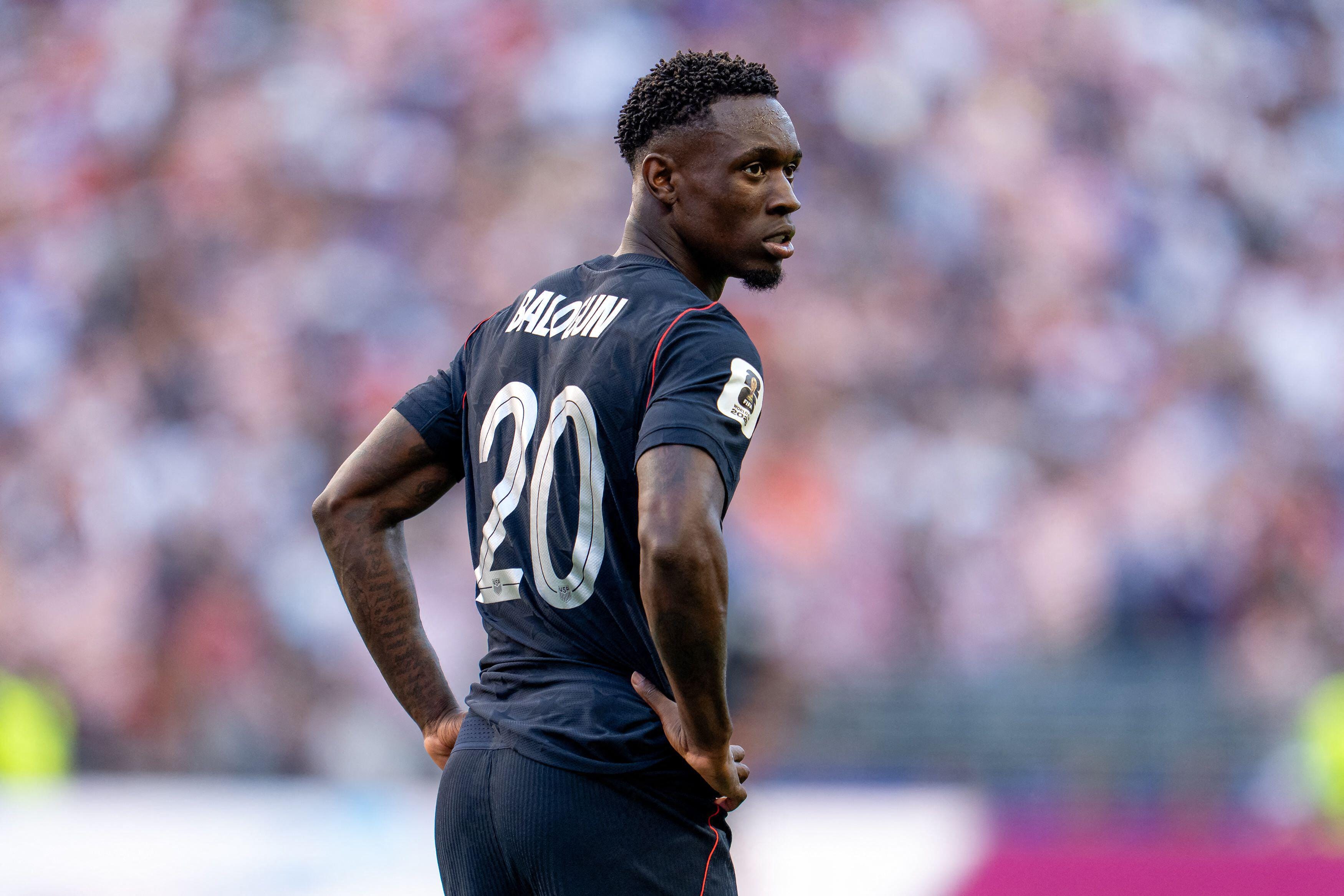
Let’s begin, perhaps inevitably, with Donald Trump. Uncharacteristically quiet for much of the tournament, he burst onto the stage when he intervened after the USA centre forward Folarin Balogun was sent off in his team’s game against Bosnia-Herzegovina and hence was automatically ruled out of the USA’s next knock-out game against Belgium.
In giving an automatic one-match ban, the football authorities were applying the standard rules that the organisers had agreed on prior to the tournament. They are one small component of a rules-based order that has tried to give shape and certainty to international sporting events, multi-lateral institutions and wider diplomacy since the Second World War. It’s a framework that the current US President despises. He wanted his team’s top striker to play in the last 16 knock out game. So, he rang FIFA boss Giorgio Infantino and demanded that the red card be rescinded. In fact, he appears to have rung him three times. And miraculously, the decision was overturned and Balogun was able to play.
Until now, to many people support for a “rules-based order” has seemed a pretty abstract notion. No longer. This minor episode illustrates what happens when it is discarded. Basically, anarchy ensues and the rich and powerful get their way; they throw their weight around and the rulebook is thrown away. The little guys get trampled on. The Belgians protested; the European football federation supported them but to no avail. Fortunately, on the pitch the Belgians won decisively. Frites 4 Cheats 1.
Nation and Identity
The wider World Cup story revolves around nation and identity. Before it began, we wrote about the multi-ethnic character of the England squad and how it represents the multi-racial, mixed country that England has become. And we pointed out the contrast to the flag-waving demagogues on the populist right who call for the mass deportation – euphemistically termed ‘remigration’ – of millions living here in their quest for a return to an all-white country.
This battle over nationhood and identity permeated the tournament. As the academic specialist on superdiversity Nando Sigona noted, 289 of the tournament’s 1,248 players were born in a country different from the one they represented. The French capital, Paris, was the world’s leading exporter of football talent with more than 40 World Cup players born there although most were not playing for France. The World Cup illustrates that nationhood is no longer defined by where you were born.
Yet there remain powerful forces that resist these trends; who reject a civic sense of nationality; who want to define nationality by place of birth; and think that anyone with a migrant background cannot be a true representative of their country. Two incidents highlighted the issue. After Paraguay’s bruising loss to France in the last 16 knock out, Celeste Amarilla, a senator from Paraguay’s Liberal Radical party, posted a torrent of racial abuse against the French captain Kylian Mbappé on social media. Amarilla described Mbappé as a “colonised Cameroonian, desperately trying to pass himself off as French” and as a “brute who had not learned to write”.
This could be written off as the rantings of a junior politician. More astonishingly, a week later, the former conservative Spanish Prime Minister from 2011-2018, Mariano Rajoy, wandered into the same territory. Pondering Spain’s semi-final showdown with France in an article for the online newspaper El Debate he wrote “It’s worth remembering that France has been a two-time world champion and was a finalist in the last World Cup. They’ve won every match they’ve played in this World Cup and are currently ranked No 1 in the Fifa rankings. They also have a top-level squad. That said, they don’t have any French players. They’ll be a formidable opponent.” (our emphasis)
Rajoy’s remarks elicited a scathing response from Spain’s current prime minister Pedro Sánchez, who wrote “There are those who still measure belonging by surname, place of birth, or skin colour. Others measure it by our roots in a country and our will to contribute to it. Playing soccer. Caring for our elders. Or opening businesses. Spain belongs to those who love it and work for it.”
Rajoy seemed completely unaware of the composition of his own squad, above all with the precocious teenage talent of Lamine Yamal, the son of North African migrants. This was in stark contrast to the team’s manager. In response to a question about the composition of the Spanish team, Luis de la Fuente said “It’s globalisation. Other, new winds blow. Those processes bring different races, creeds and ideologies, an adaptation to something different. Football is a reflection of society. There’s a role for football to play in integration. Football is a powerful tool for unity, it’s a school of values. There is an ugly part to football, of course, but I prefer not to dwell on that; the true essence of football is very positive, very good for society and that’s what we have to hold on to. It is an agent for integration.”
In the Trump era, with Musk’s X dominating social media, sections of the orthodox right have joined forces with the ethno-nationalist far right in claiming that ancestry is the only passport to citizenship. As we have pointed out in Byline, this idea has been espoused by leading Tory-Reform defector Suella Braverman when she advocated that Englishness “must be rooted in ancestry, heritage, and, yes, ethnicity”, a view echoed by Reform UK’s Head of Policy, the Cambridge academic James Orr, when he asked “If anyone can become an Englishman, what is an Englishman?” Similarly, Gorton and Denton Reform candidate Matthew Goodwin insists that migrants who “refuse to assimilate” are “no longer part of our nation … it takes more than a piece of paper to make somebody British”. It is views like this that fuel increasingly strident calls across the right for mass deportations.
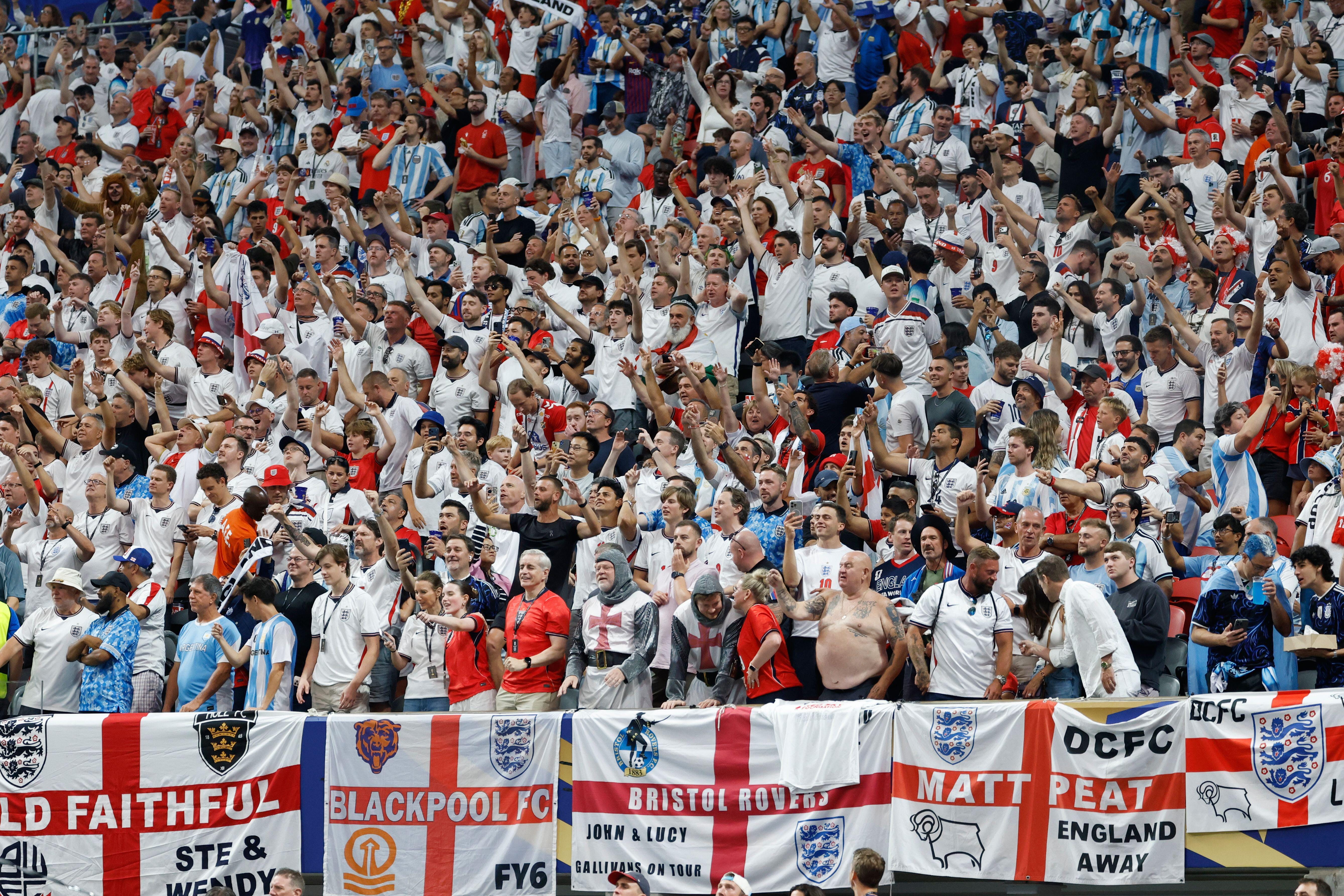
Yet the beautiful game demonstrates that such ideas are confined to a minority. The 2026 World Cup shows that national identities are not fixed or exclusive. They are shaped by family histories, colonial legacies and people moving to escape war, hunger and poverty. Far from undermining national teams, these connections have become an integral part of what many national teams are. White supremacists and the blood and soil (‘Blut und Boden’) nationalists hate it. But the World Cup shows that on the football pitch ethnic nationalists are losing out to the civic nationalists. Mbappe, Olise, Yamal and the Stourbridge-born Jude Bellingham all have roots in Africa and bring to their teams a wonderful grace and power.
As Kenan Malik pointed out in The Observer, French forward Michael Olise was born in West London to British-Nigerian and Franco-Algerian parents, making him the product of “four countries, all of which enrich me”. Worldwide, football fans embrace their multiracial teams. May their spirit spread from the playing field to the electoral arena.
Jon Bloomfield and David Edgar are authors of The Little Black Book of the Populist Right, whose revised and updated 2nd edition is published by Byline Books


Excellent writing.
I had been feeling gloomy, focussing on the negatives, particularly Trumps pernicious influence not only over the suspension but also over the victimisation of players and officials from countries he does not like. That this happened with no objection or protest from FIFA itself is appalling and demonstrates how out of touch the FIFA leadership have become under Infantino.
This piece of writing looks beneath that and highlights the changing reality of the world despite the best (or worst) efforts of the totalitarian neo-nazis around the world. However, continued vigilance is needed to ensure there is not a spread of their pernicious ideology.
It is really quite astonishing that the peak of narrow-minded ethnic nationalism is the USA. A country whose white European-heritage population, who claim to be the country's true representatives, only started to immigrate there less than 400 years ago. A country with one of the youngest immigrant-majority populations in the world.