

There is something deeply strange about the British far-right’s version of patriotism.
It’s adherents drape themselves in the Union flag and talk endlessly about sacrifice, sovereignty, and standing firm against foreign threats. Their social media profiles are decorated with poppies, Spitfires, and Churchill quotes.
Taking their rhetoric at face value, you would think they were ready to put their lives on the line for their country at a moment’s notice, like some modern incarnation of Dad’s Army.
But when actual threats to the country emerge – not imagined assaults by migrants or cultural Marxists, but real, tangible attacks by a hostile foreign power – these would-be patriots melt into thin air.
They grumble about Nato aggression. They complain about fuel prices. Or they side, directly or indirectly, with the foreign aggressor.
Nowhere has this been more apparent than in their response to Russia, a state that has attacked the UK on its own soil; interfered in the democratic process here, in the United States and elsewhere; and launched a war of aggression in Europe.
Confronted with this generational foe, the far-right’s bombast has dissolved into excuse-making, whataboutery, and cowardice.
Why?
The far-right is obsessed with the aesthetic of patriotism. Not patriotism as a sense of civic duty or shared sacrifice. But as a set of symbols.
It brandishes red poppies the size of dinner plates; England flags duct-taped to bedroom windows. Its devotees write endless screeds about loving their country and ‘taking it back’. It specialises in Churchill cosplay, imperial nostalgia, and Remembrance Day kitsch. And it weaponises these things to fight a contemporary ‘culture war’.
The far-right defines Britishness not by values or principles, but by internal enemies: remainers, immigrants, academics, the BBC, and the ‘woke’. Its vision of patriotism is less about belonging and more about exclusion. It is a narrow, brittle nationalism in which only a select few are allowed to truly partake.
This isn’t new, of course.
Our far-right has long been clinging to a sepia-tinged fantasy of wartime Britain: a Britain that can only exist in the distant past.
The values that helped it actually survive and win that war – international solidarity, shared sacrifice, multilateralism – are dismissed today as globalist and cosmopolitan treachery.
When a genuine threat emerges, they fail to grasp how to respond. Because defending the country would require making peace with the modern British nation and letting go of imperial ghosts.
There is evidence that we are already at war with Russia.
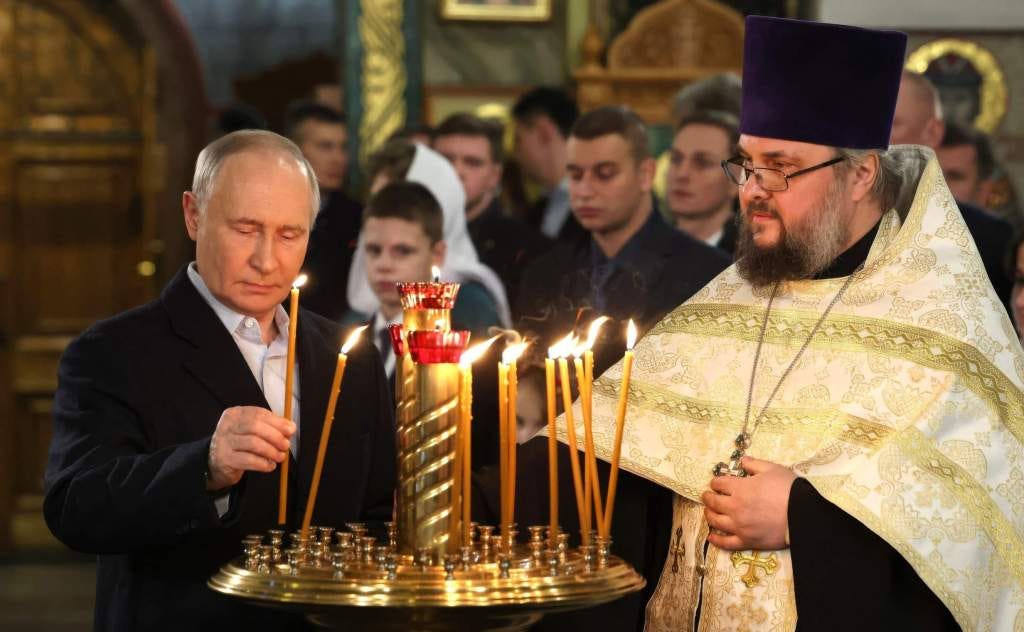
The refrain from some quarters – that Putin would never dare attack the United Kingdom – has already been disproven by events.
As a 2023 article by the King’s College academic Daniela Richterova for War on the Rocks put it: “Mysterious fires have been ravaging civilian and military facilities across Europe. They follow other seemingly random incidents damaging fiber-optic cables, railway systems, GPS signals, department stores, and ammunition manufacturing plants across Europe that have escalated in frequency following the Russian invasion ofUkraine.
“Most recently, three high-speed rail lines in France were sabotaged before dawn on the day of the opening ceremony of the Olympics. Targets in the United States have also recently taken hits, with a major explosion damaging an ammunition plant in Pennsylvania in April and another deadly explosion hitting a weapons plant in Arkansas in July.
“While in some cases the target countries are still determining the cause or searching for culprits, Poland, Germany, the Czech Republic, and Denmark have arrested individuals connected to these attacks. What’s more, with various levels of confidence, these governments have openly declared Russia responsible.”
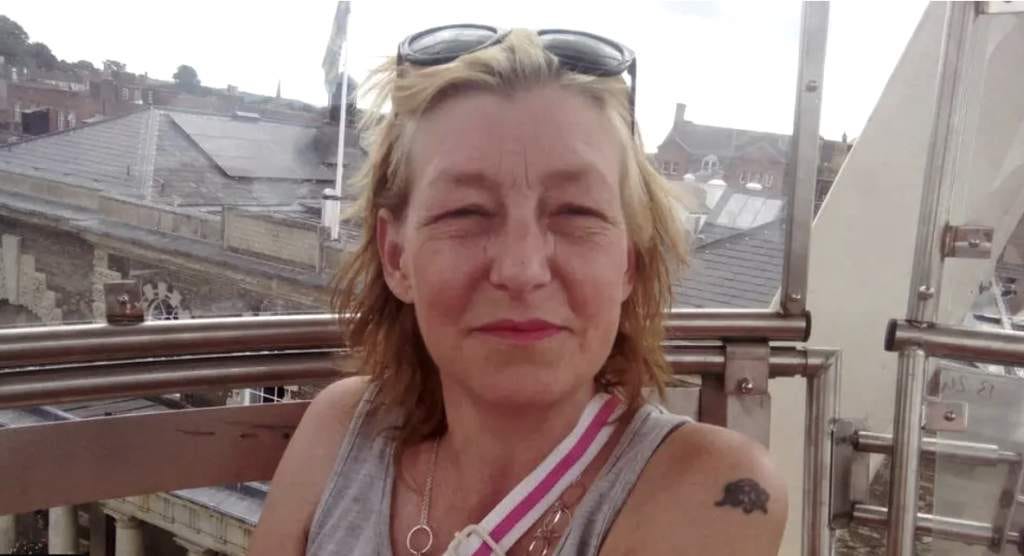
In 2018, Russian agents used a military-grade nerve agent in the English town of Salisbury. The intended target, Sergei Skripal, survived. A local woman, Dawn Sturgess, did not. It was the first use of chemical weapons on UK soil since the Second World War.
You may assume that our far-right firebrands would have been outraged by this. Instead, many of them responded with apathy or conspiracy theories.
The very people who claim to love the UK the most have spent the last decade enabling its enemies.
Some echoed Kremlin talking points. Others cast doubt on the UK Government’s version of events. Very few reflected on what this tragic event might mean for national security.
More recently, some on the right have expressed upset at a warning by the head of the armed forces that the country’s “sons and daughters” must be ready to fight a defensive war if Russia attacks.
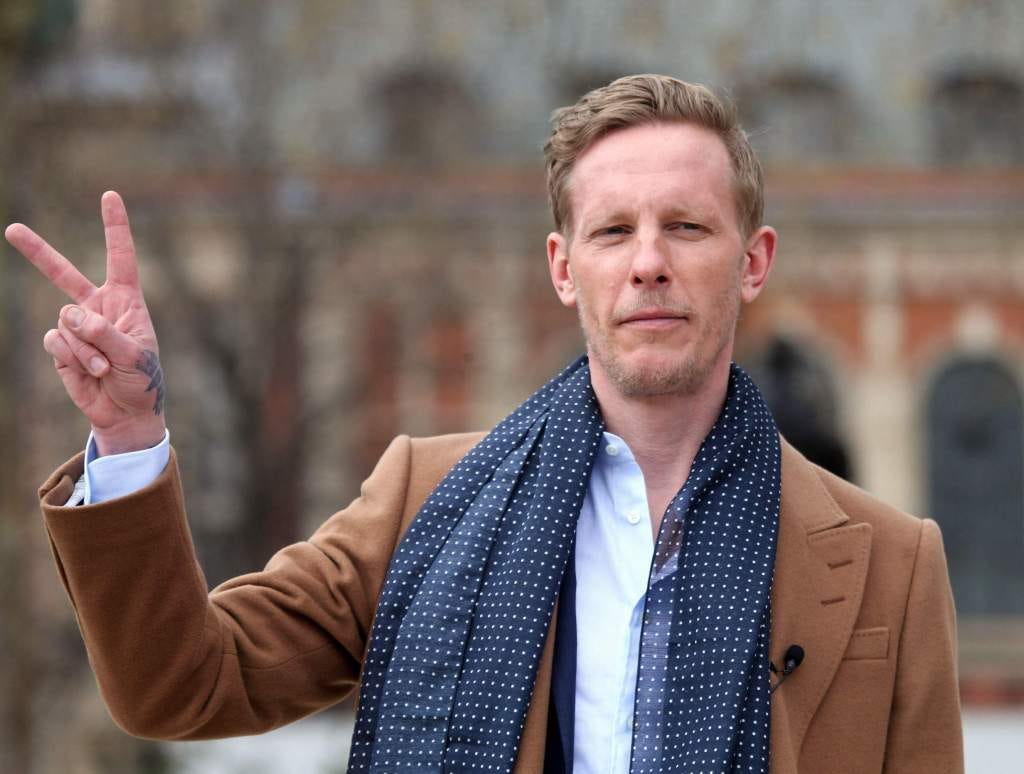
“Patriots should not fight for the British state,” declared one Telegraph columnist. The actor-turned-far-right activist Laurence Fox said he would “rather fight for Russia” than Britain’s “corrupt communist regime”.
The long and short of it is that some on the right do not wish to fight alongside people they deem to be foreigners, many of whom are British citizens.
The radical right certainly believes it is already at war – but not with Russia.
It is content to use military-style rhetoric when discussing the issue of immigration, framing asylum seekers as ‘fighting-age males’ who constitute an ‘invasion’ force.
Such rhetoric is marshalled to dehumanise some of the most unfortunate people on Earth. And it has the added benefit of allowing a pseudo-patriotic rabble to cast itself as a band of warriors valiantly defending the homeland from foreign conquest.
Yet, many of the same people say they will refuse to fight when a real war comes – presumably because white Russians come above migrants from Syria and Afghanistan in their taxonomy of human beings.
Condemning Russia would also mean breaking ranks with a regime they quietly sympathise with.
Reform UK’s Nigel Farage, the spiritual head of Britain’s populist right, once said that Putin was the world leader he most admired “as an operator”. He later tried to backtrack but the sentiment has remained consistent: Putin, despite his brutality (or, in some quarters, because of it) is viewed as a model of the sort of strong leadership Britain lacks.
In the run-up to Russia’s full-scale invasion of Ukraine in 2022, the Reform Leader was back at it, suggesting that the West had provoked Putin by expanding Nato.
After the invasion, rather than rally behind the UK’s allies or express solidarity with the Ukrainian people, Farage tweeted: “I warned that the EU and NATO were provoking Putin.”
It was as if Ukraine had brought war on itself. It was as if the UK, by standing steadfastly with Ukraine, was somehow committing a mortal sin.
Farage wasn’t alone.
GB News, the media outlet that serves as the British broadcasting wing of the new right, has repeatedly hosted commentators sympathetic to Moscow’s position. Its segments have questioned the wisdom of supporting Ukraine, parroted Kremlin narratives about corruption inside the country, and complained about British money being sent to foreigners.
A significant chunk of the British populist right – from social media personalities to former MPs – has adopted a similar register.
Russian aggression is either downplayed or blamed on Nato, the EU, or a shadowy cabal of ‘globalist elites’. Even as Ukrainian cities are shelled, civilians killed, and mass graves uncovered, the outrage is usually channelled elsewhere.
It is an idea of patriotism that doesn’t include defending liberal democracy in Europe or – apparently – here at home if it comes to that.
There is a reason that the far-right prefers symbolic patriotism to the real thing.
Plastic flags are cheap. Tub-thumping, ‘finest hour’ rhetoric slips easily off the tongue. Soliloquies on Elon Musk’s X cost nothing.
But solidarity does. Aid does. Sanctions do.
Refugees need housing. Defence alliances require compromise. And defending your country sometimes means putting the narcissism of small differences aside and uniting behind a set of common values, even when it’s inconvenient to do so.
The radical right finds this impossible.
When Russia’s invasion of Ukraine sent energy prices soaring in 2022, the same people who imagined themselves as brave warriors began to complain incessantly about their gas bills. Suddenly, standing up to authoritarianism wasn’t so appealing.
They framed the war as a distraction. Or worse, they claimed that the UK had no material interests in the conflict.
On refugees, they were even more predictable.
Thousands of Ukrainians fled a warzone, many with relatives already in the UK. The public responded with generosity. The far-right responded with paranoia, accusing them of being ‘bogus’, ‘economic migrants’, or a burden on schools and public services.
The same people who fetishise Britain’s wartime resilience couldn’t even handle a wobble in living standards. The same crowd that hails Churchill as a national saviour now portrays standing up to tyranny as ‘virtue signalling’.
Patriotism, it turns out, is strictly conditional.
While some British far-right figures stop short of open support for Putin, others have gone further.
Just this month, the Guardian revealed that Mark Collett – one of the country’s most prominent far-right activists – attended a nationalist event in Russia hosted by Kremlin-aligned figures. A former British National Party official and head of the Patriotic Alternative group, Collett rubbed shoulders with ultranationalists and pro-war ideologues close to the Putin regime.
Farage was a regular guest on Russia Today (now RT), the Kremlin’s propaganda arm, before the channel was finally banned in the UK. So was former Labour-turned-independent MP and activist George Galloway, although he now positions himself as a kind of red-brown bridge between left and right. The Daily Mail columnist Peter Hitchens, though not explicitly pro-Russian, has repeatedly cast doubt on British foreign policy motives while soft-pedalling Russia’s.
It is a strange state of affairs.
Some of this is ideological.
Putin’s Russia promotes a vision of traditionalism, nationalism, and authoritarian control that appeals to elements of the right-wing political scene. It hates the EU, denigrates gender freedoms, and jails LGBT activists.
Right-wing admirers of Russia often justify their sympathy by pointing to the country’s supposed embrace of ‘traditional values’. Conservative thinkers such as Jordan Peterson have even framed Putinism as a kind of moral bastion against liberal excess. Russia’s rhetoric about family, faith, and order all feed into this narrative. For some of our domestic nationalists it is a model.
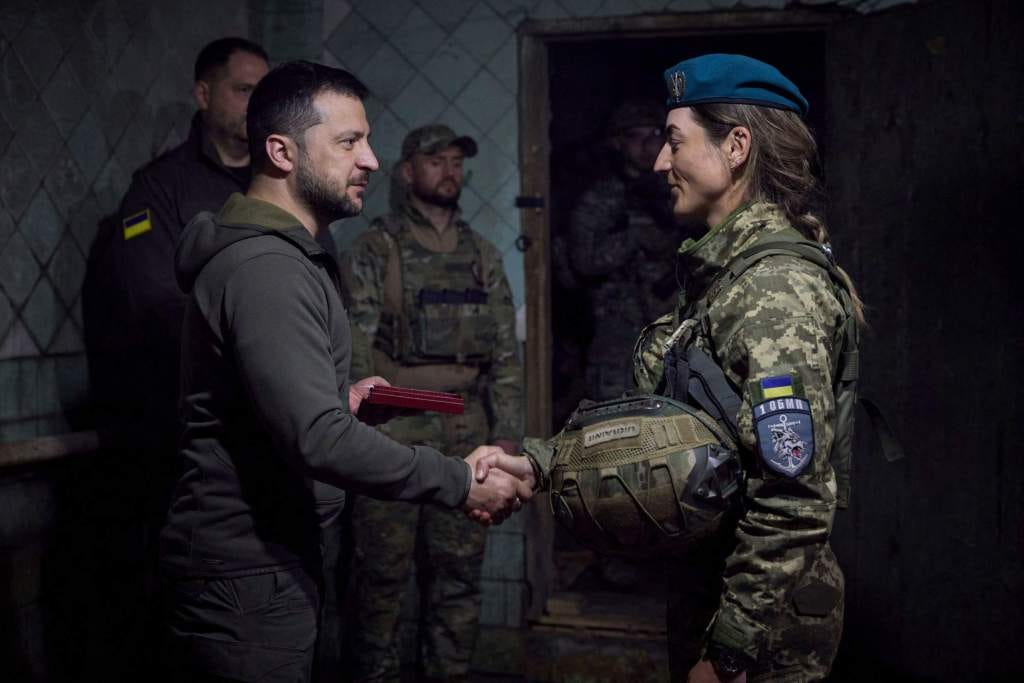
But traditional values in Russia amount to little more than a justification for the regime’s survival. Scratch the surface and the illusion dissolves.
Russia has higher rates of divorce, abortion, alcoholism, and domestic violence than most Western democracies. Corruption is endemic. It is not a spiritually enriched society but a brittle and brutal one.
In truth, what these Western admirers are venerating is a mirage. Like the ‘useful idiots’ of previous generations, they are not defending tradition but making boneheaded excuses for tyranny.
Some of it is also strategic.
Undermining the West suits their wider political narrative. If liberal democracies are failing, if the EU is crumbling, if Nato is toothless, then their anti-establishment rhetoric may gain a veneer of respectability.
If the UK’s allies are weak, perhaps it justifies a more isolationist, xenophobic stance after all.
Although outright Russophilia remains rare on the political left, a subtler form of equivocation can sometimes be found on the extreme fringes – one rooted less in jingoism than in parochial isolationism.
Readers of the Telegraph and Tribune often want to change the subject when the subject of war with Russia comes up.
What emerges instead is a fog of clichés and anaemic language. The tone is world-weary and cynical, as if engagement with reality were somehow a bourgeois indulgence.
The looming threat is framed as something that only ‘warmongers’ are worried about.
Raise the alarm and you may be accused of forgetting the ‘disastrous military adventures’ of the past such as Iraq or Afghanistan. Either that or you will be accused of being an ‘armchair general’, as if civilian control of the military were ever a bad thing.
These sorts of stock responses function as a substitute for serious thinking.
At times, they exist alongside an assumption that deterrence automatically equals escalation – when, in fact, history shows the opposite to be true.
One of the reasons Putin invaded Ukraine in 2022 – and previously in 2014 – is precisely because Ukraine lacked an effective deterrent. The country does not sit under Nato’s protective umbrella. It was vulnerable – and bullies understand this dynamic perfectly well.
Dictatorships resemble organised crime families: force is the only quality they respect.
As Russian investigative journalists Andrei Soldatov and Irina Borogan – now at the Centre for European Policy Analysis – have put it: “The only way to avoid a much larger war may be for European deterrence to impose badly needed discipline on the Kremlin.”
And so we arrive at a paradox: war becomes more likely not because of escalation, but because too many people have convinced themselves that escalation is the worst possible outcome. In the name of avoiding conflict, they inadvertently pave the way for it.
Comparisons to Nazi Germany are often overused and best avoided. But some historical echoes are hard to ignore.
Just as Hitler saw the German revolution of 1918 as a betrayal to be avenged, Putin regards the collapse of the Soviet Union as a tragedy of similar scale. Hitler’s vow that “there must never again be a November 1918” finds its modern echo in the Putinist determination to reverse the humiliations of the 1990s.
And, as in 1930s Germany, anything – repression, assassination, expansive war – is justified if it preserves the ruling elite’s grip on power. For Putin and his inner circle, they alone can hold Russia together and their survival is synonymous with that of the state.
There is a bitter irony here.
Those on the right who invoke Churchillian defiance seem oddly uninterested in facing down its equivalent in the present day. This can be disorienting – especially for those of us raised on the moral clarity of Second World War mythology.
To be a quisling or a collaborator was shameful. Chamberlain was a punchline. Appeasement was a stain.
But moral identity only emerges when history demands it. Or, as André Malraux says: “A man knows nothing of himself until he has acted.”
It is easy to claim that you would fight for your country in the abstract. It is harder when the threat is genuine.
In 2022, the UK was presented with a moral and geopolitical test. A nuclear-armed dictatorship launched a full-scale war against a democratic European state. That dictatorship had already attacked British citizens, interfered in our elections, and was waging a proxy war on the West in places such as Syria.
Where has our radical right been during this period? It has made excuses for the dictator because the dictator in question shares some of the same enemies.
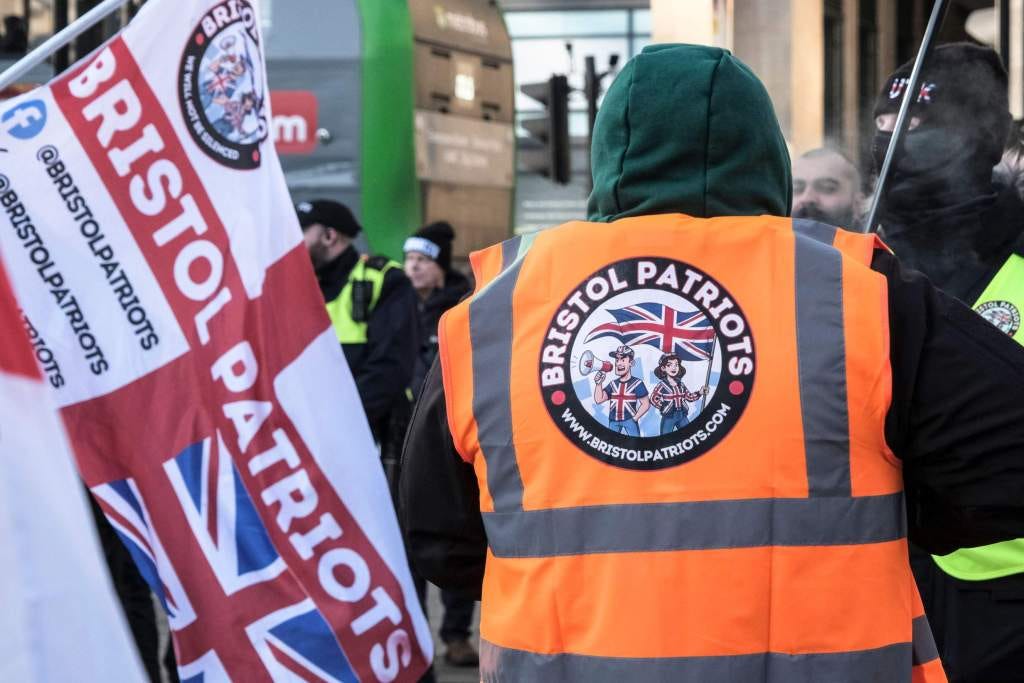
Its adherents have marched waving the Union flag only to abandon everything it supposedly represents the moment it has become inconvenient. In doing so, they inadvertently divulge what their patriotism really is to them: a collection of flabby affectations and little else.
For those who truly love their country, patriotism is about more than flags, anthems, and performative sermons on Remembrance Day. It is not about one’s ability to quote Churchill or a willingness to bask in nostalgia for a faded empire.
If patriotism means anything, it ought to be a willingness to confront real threats to the country’s existence.
The far-right claims to love Britain. But as anybody who has been in a disappointing relationship could tell you, love is about what a person does, not merely what a person says they will do.
These, then, are not patriots. They are plastic patriots – the sorts of people who willingly surrender before their own side has fired a shot.
This article first appeared in the February 2026 edition #82 of Byline Times
Nice skewering of the biggest of the big lies.
The problem with all these people is they lack the intellectual ability to understand, let alone question, the inconsistencies and contradictions in their own attitudes and beliefs. (TL;DR: thick as 3 short planks!)