
BYLINE TIMES IMPACT: Find out about the changes you made happen
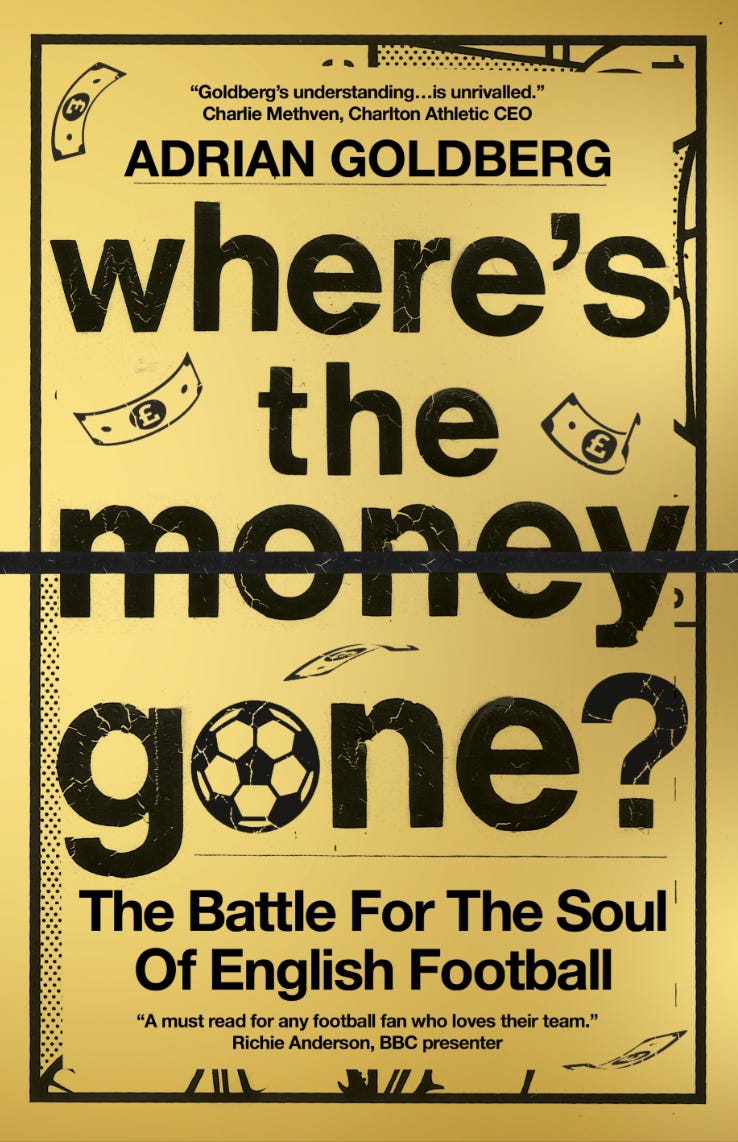
My current book, Where’s The Money Gone? was subtitled, ‘The Battle For The Soul of English Football.’ Maybe I should bring out a new edition focusing on the battle for the soul of global football, because with Gianni Infantino’s plan to sell a stake in the World Cup to venture capitalists, the sport’s integrity is now in ultimate jeopardy.
As FIFA President, Infantino has already embraced a highly Americanised, slickly over-commercialised version of the game, with matches at the most recent tournament neatly quartered for advertisers on the pretext of providing hydration breaks for players (even in games where heat was not an issue) alongside dynamic pricing which catapulted the cost of admission beyond the reach of millions of ordinary fans.
Does anyone seriously believe these trends won’t be amplified if big money becomes directly involved in running the World Cup? Expect pressure for a bi-annual tournament (instead of every four years) and an expansion of its already bloated structure to encompass 64 teams rather than the current 48, perhaps along with a permanent base in the United States.
FIFA is already projecting revenues of $13 billion from its latest jamboree – more than enough to be divvied up among its member nations; but as we often see in other arenas, ‘enough’ is never enough for the most rapacious forms of capitalism.
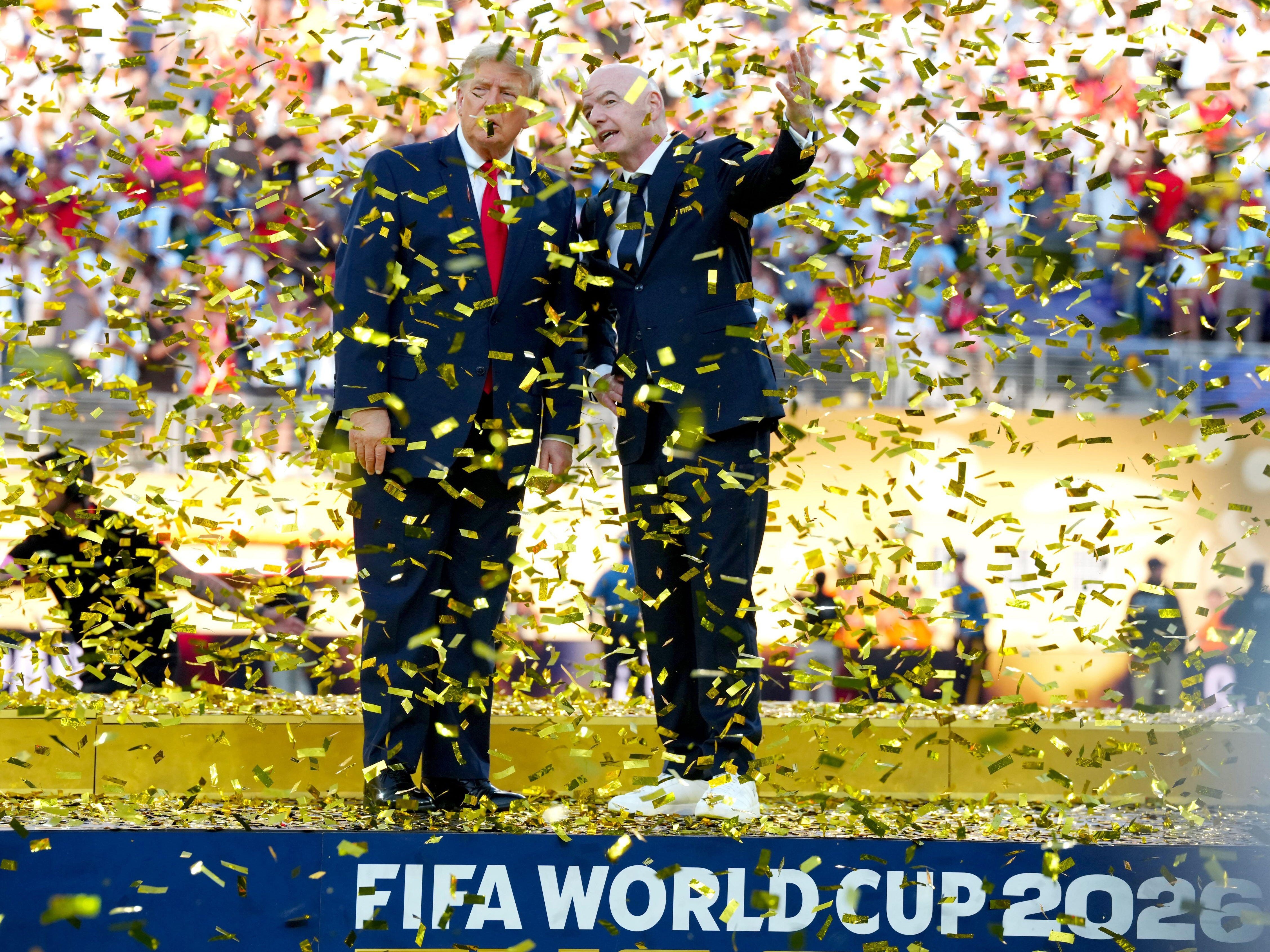
It’s surely no coincidence that after awarding a ‘Peace Prize’ to warmonger Donald Trump, Infantino has been plotting his internal FIFA coup with Joshua Kushner, brother of the US President’s son-in-law Jared Kushner.
FIFA’s member nations would apparently each benefit to the tune of $20 million if the plan goes ahead, which sounds like a tempting trade-off, but the evidence suggests that precious little of this vast wealth will trickle down to grassroots football. The football writer Simon Kuper told me recently about revisiting South Africa, the tournament host in 2010, and found scant evidence that it ever took place, barring a couple of vast and generally under-populated ‘white elephant’ stadia. At community level, Kuper observed, “it was never going to create any lasting jobs. But it also didn’t even create this very simple thing you think would be possible - football fields, places to play.”
It’s easy to forget now, but when Infantino was elected in 2016, he was seen as FIFA’s “clean-up ” candidate after years when corruption allegations has dogged the organisation. The then FA Chairman Greg Dyke hailed him as ‘a straightforward guy’. The Guardian reported recently that English football bosses were likely to maintain their support for Infantino’s candidacy for a fourth term next March, despite his unprecedent role in overturning a red card for US striker Falorin Balogun during the World Cup group matches, following a phone call from Trump. We shouldn’t be altogether surprised at the supine reaction from our own governing body; when money talks the FA usually listens, as it demonstrated in 1992 when Chief Executive Graham Kelly sanctioned the breakaway Premier League, a home-grown cash grab, every bit as cynical as Infantino’s.
Only UEFA, the European organising body, has shown any backbone; its President Aleksander Ceferin refused to attend the World Cup Final between Spain and Argentina this month in protest at FIFA, and there’s talk of a possible boycott of either the Women’s World Cup next year in Brazil, or the next men’s tournament, due to be held in Portugal, Spain and Uruguay in four years time. At stake is a vision of the sport as rooted, community experience in which match going supporters have an enduring stake; and the contrasting idea of football as a manufactured entertainment played to satisfy the whims of private equity, TV companies and major sponsors.
As Prime Minister Andy Burnham put it, “Football does not belong to investors. It belongs to the people who fill the stands and who stand on the touchline week in, week out, rain or shine.
“The World Cup is not a product. It is the greatest competition in world sport, and it was never anyone’s to sell. Dress the deal up however you like. Once you have sold a piece of it, you have sold out.”
Football is, if course, a hugely successful professional game and players deserve to enjoy the fruits of their labour, but few would argue that top players today aren’t well recompensed. Just as important as the short-term desire to make money is rest and recovery time, which helps preserve their longevity as professional athletes and keeps supporters keen. Cramming the calendar with additional fixtures in pursuit of ever greater rewards threatens more injuries, unprecedented levels of exhaustion and ultimately, a less compelling spectacle. In this scenario, football and its followers would surely be the losers.
Adrian Goldberg’s book Where’s the Money Gone? The Battle for the Soul of English Football is published by Byline Books.