


BYLINE TIMES IMPACT: Find out about the changes you made happen
The Reckoning Project is a consortium of journalists, researchers, and lawyers, bridging professional gaps, in order to hold the highest powers to account by investigating war crimes and collecting witness testimony from their survivors.
How can a crime committed in Syria be tried in Germany, or one committed under Russian occupation be tried in Argentina? In many places without functioning justice systems, or where the scale of violations is overwhelming, victims of human rights abuses often cannot expect their perpetrators to see consequences for their actions.
But there are options outside the borders of their own state: Universal Jurisdiction means that third countries can prosecute crimes, which are considered to be of such enormous severity that they impact the international community as a whole if they go unpunished.
There are also other options for the justice systems of third countries to be utilised. For example, if either victim or perpetrator later becomes a resident of that state. In this case, loose networks of activists and NGOs can play key roles in advocating for accountability.
In this episode, acclaimed war reporter Janine di Giovanni explores the case of torture.
Our first guest, Reed Brody, was working with Human Rights Watch at the time of Chilean dictator General Augusto Pinochet’s trial in the UK. It was a pivotal moment for him, demonstrating that perpetrators of such crimes could be prosecuted internationally.
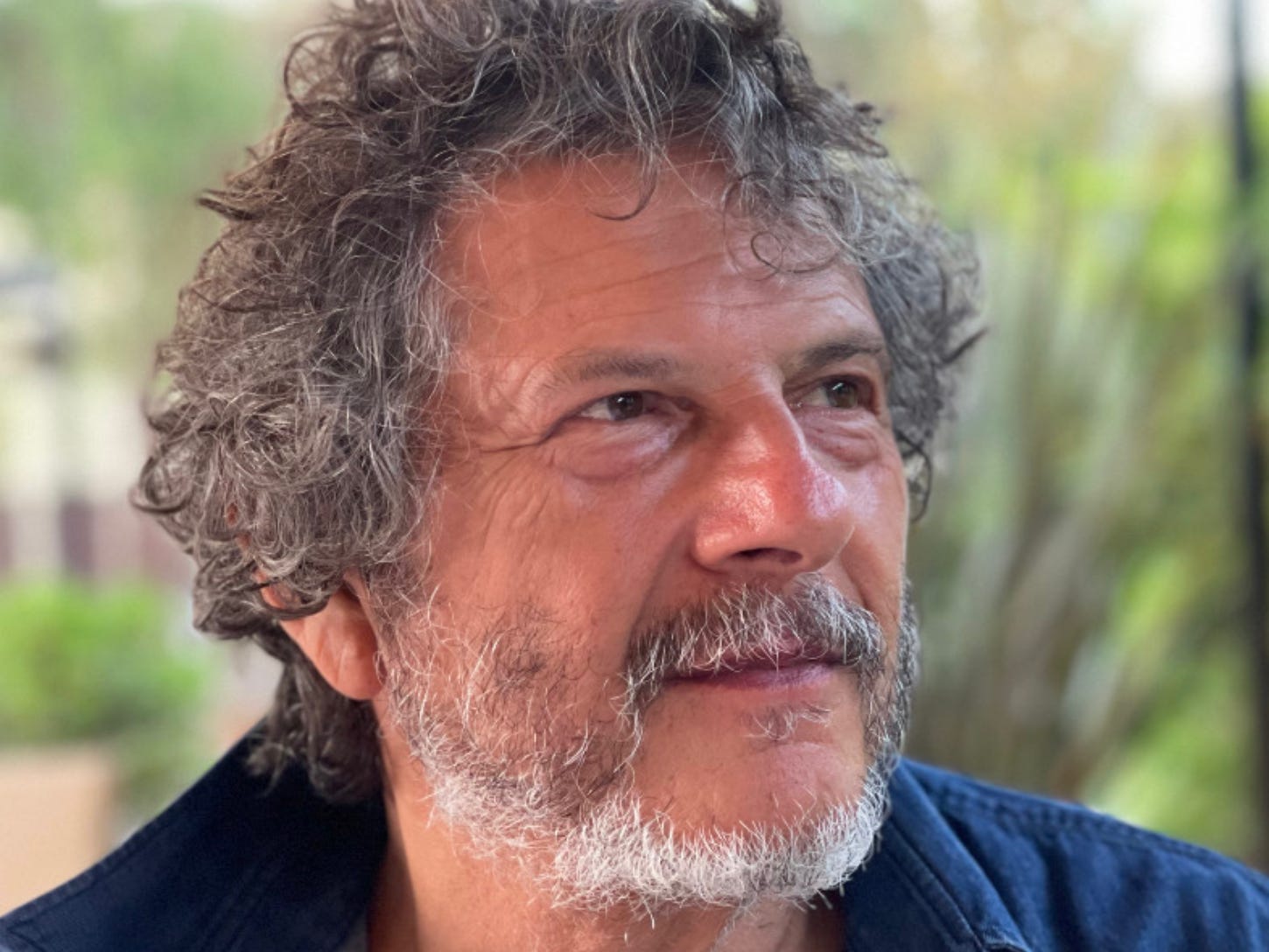
“Three months earlier, the international community had adopted the statute of the international criminal court in Rome in July, and now here, October 16, Pinochet is arrested. It looked like this new world is happening,” Brody recalled. “Pinochet was arrested in London, on a warrant from a Spanish judge, for acts allegedly committed 25 years earlier in Chile,” he said.
We tell the story of how one man’s chance encounter with his torturer in a job centre in a small German village led to one of former Syrian President Bashar Al-Assad’s officials being apprehended and convicted of being a co-perpetrator of torture. The Reckoning Project’s Raji Abdul Salam, a data archivist, recalls the process.
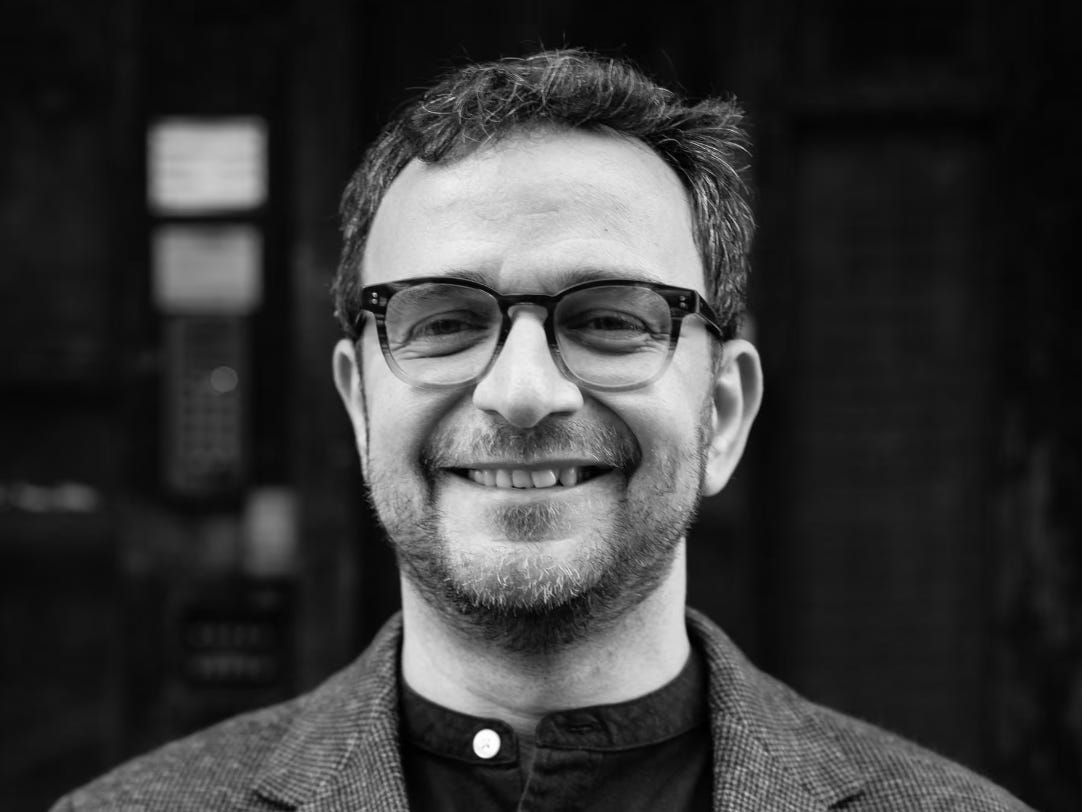
“People started to recognise this specific person in Germany – where there’s a big community of refugees that came from Syria especially after 2015,” he said. While the process was difficult, in that the re-traumatisation of victims had to be avoided (as well as protecting any relatives remaining in Syria), the fact that the perpetrator was present in Germany became a bombshell in German media.
“The prosecutor at a certain point was looking at the guy as not a guy who was only doing the war crime of torture but who systematically administered torture as a way to subdue a certain population,” he recalled. “The prosecutor was so appalled … it took years to process the case.”
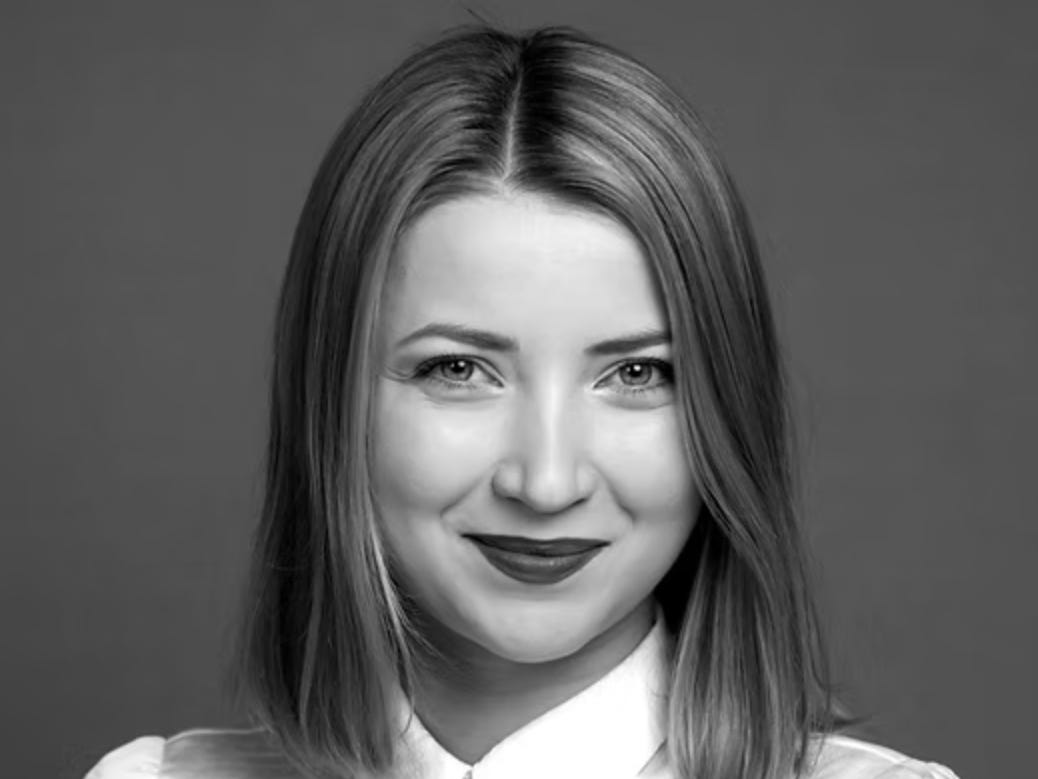
We also examine the story of one Ukrainian man tortured by Russian forces in occupied Ukraine. “In the summer of 2022 he was illegally deprived of his liberty, he was tortured with electric currents, he was strangled in order to obtain information, he was intimidated and held in inhumane conditions,” said Tsvetelina van Benthem, a University of Oxford legal scholar and adviser at The Reckoning Project.
A complaint was filed in a court in Argentina in accordance with the principle of universal jurisdiction – the Latin American country’s legal history (following its own period of regime-supported torture in the 1970s) provided a strong framework to do so.
Listen here to the Byline Times Podcast with The Reckoning Project - Part Three.