


BYLINE TIMES IMPACT: Find out about the changes you made happen
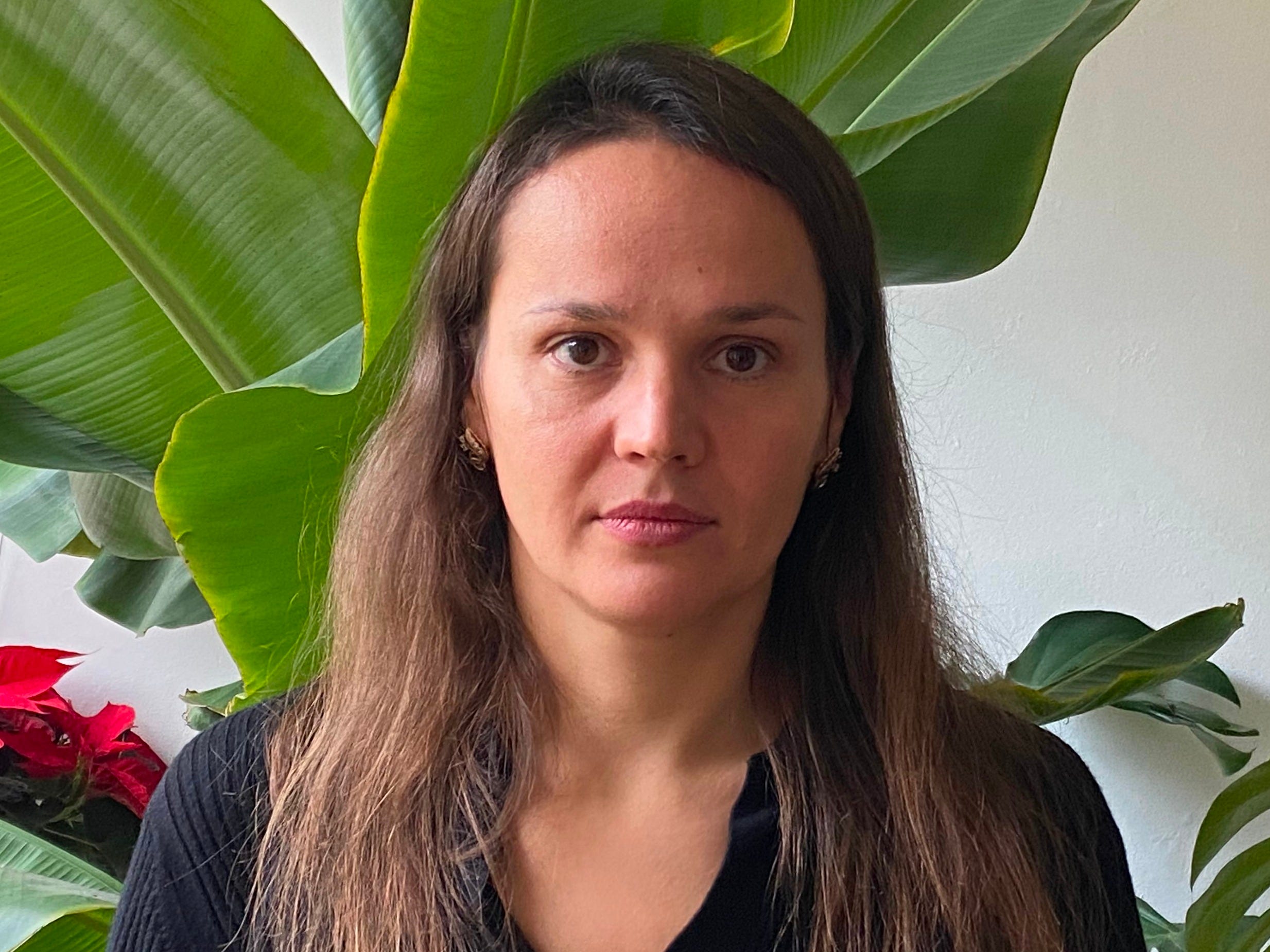
Natalia Kogut is the living embodiment of a crisis facing thousands of Ukrainians living in the UK after fleeing Russia’s full scale invasion in 2022. The single mum-of-two has made a new life for herself and her family in Birmingham, but unlike refugees who’ve escaped war or persecution in other countries, she has no prospect of achieving permanent right to residence, and will be expected to head ‘home’ once the conflict is over.
The trouble is that Natalia’s idea of ‘home’ has now changed – as it has for many of her 200,000 plus compatriots who settled in the UK in the aftermath of Putin’s military aggression. As she told the Byline Times Podcast, “I don’t feel at home in Ukraine anymore. We are integrated. My home is here now. Home is not just your house. It’s also friends. It’s family. It’s career. It’s network. Even how the legal system works, how the banking system works, how you get employment. Everything has changed in Ukraine, so it’s a completely different country now. I’ve lost everything there. I don’t have any career, any prospects, or anything back in Ukraine.”
Natalia is grateful to the UK for providing her family with sanctuary and has secured a job as a research associate at the University of Birmingham. It’s below her previous pay grade as an associate professor of law in Kyiv, but she’s appreciative of the opportunity to work in an environment that is compatible with her skills. Others are not so lucky; there are stories of Ukrainian doctors now working as cleaners, because the UK has been slow to recognise (and where necessary upgrade) their professional qualifications.
Another stumbling block is the short-term nature of the visas under which Ukrainians are eligible to stay. The initial temporary protection schemes by which they were admitted to the UK were closed in 2024, but those already here could then apply for an 18-month extension. This was followed by a new two-year visa scheme, which started in April. The stop-start nature of these measures contributes to a sense of impermanence, making decent jobs and accommodation hard to come by, because potential employers and landlords want greater long-term security.
“This impacts every domain of of life,” Natalia said. “People are in constant stress and anxiety – and that impacts their mental health so badly. They don’t know what’s going to happen. This feels really unfair.”
Natalia has been collaborating on a research project into the plight of displaced Ukrainians with her University of Birmingham colleague Professor Sara Jones, who said that after living in the UK for four-and-a-half years, “increasingly they do not see this as temporary. This is their life now. They are working. Their children are going to school. They’re volunteering, and they’re really part of the communities in which they live, so I think the continued narrative that this is temporary really doesn’t hold up to the reality of people’s lives. As it stands, the Ukrainians could be in the country for 10 years and still not have any right to apply for settlement, and that does seem manifestly unfair.”
The Home Office told the Byline Times Podcast that “the Ukraine Schemes remain temporary in line with the Ukrainian Government’s strong desire for the future return of its citizens.” But whilst it is understandable that Kyiv might want to encourage its citizens who have left to eventually return to rebuild the country’s post-war economy, Natalia counters that she is not Ukraine’s property. “Even in an autocracy, people are not owned by their government,” she says.
Professor Jones added that “if Ukrainians in the UK are able to rebuild their lives and integrate into the workforce at the level of their skills – not doctors working as cleaners – this not only supports the UK economy, it also means that they’ll be able to send remittances to Ukraine. People will be able to start businesses in which they’ll be trading and dealing with Ukraine. And if they do decide to return, they’ll be returning with new skills, new knowledge that they can then take back with them to Ukraine.
“Having a really strong diaspora of Ukrainians in countries like the UK also supports the further European integration of Ukraine, which is, of course, the opposite of what Russia wants for the country.”
Watch and listen to the Byline Times Podcast here