

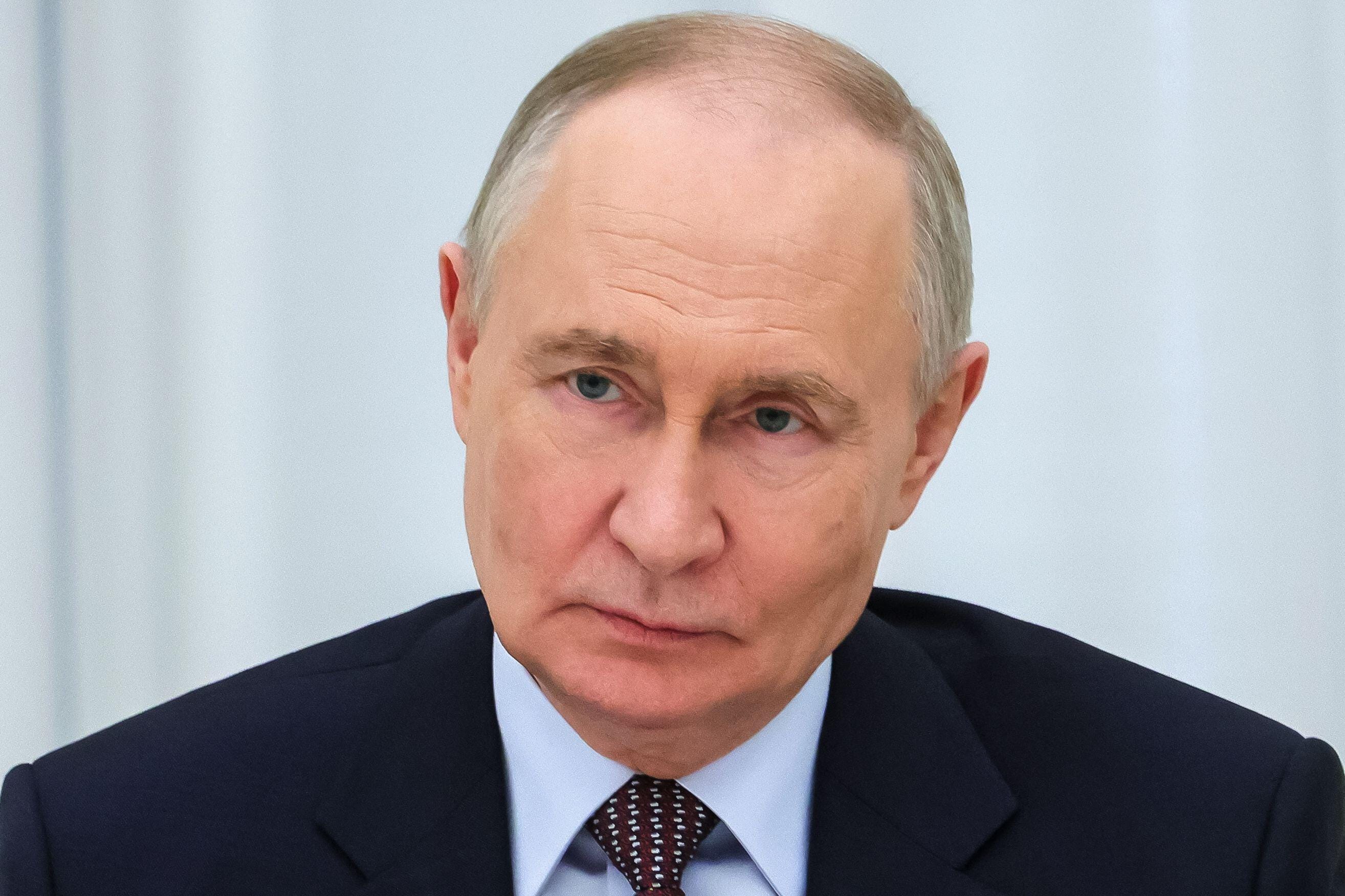

While Donald Trump and Vladimir Putin were chatting on the telephone, engaging in war theatrics for headlines, another two countries signed up to push for a Special Tribunal for Russia’s crimes of aggression in its invasion of Ukraine.
As the media parroted Thursday’s phone call with a recap from “Putin’s foreign policy advisor”, real things are happening to hold criminals to account.
Twenty-four countries have officially joined the “expanded partial agreement” necessary to establish the tribunal, according to Ukrainian Foreign Minister Andrii Sybiha.
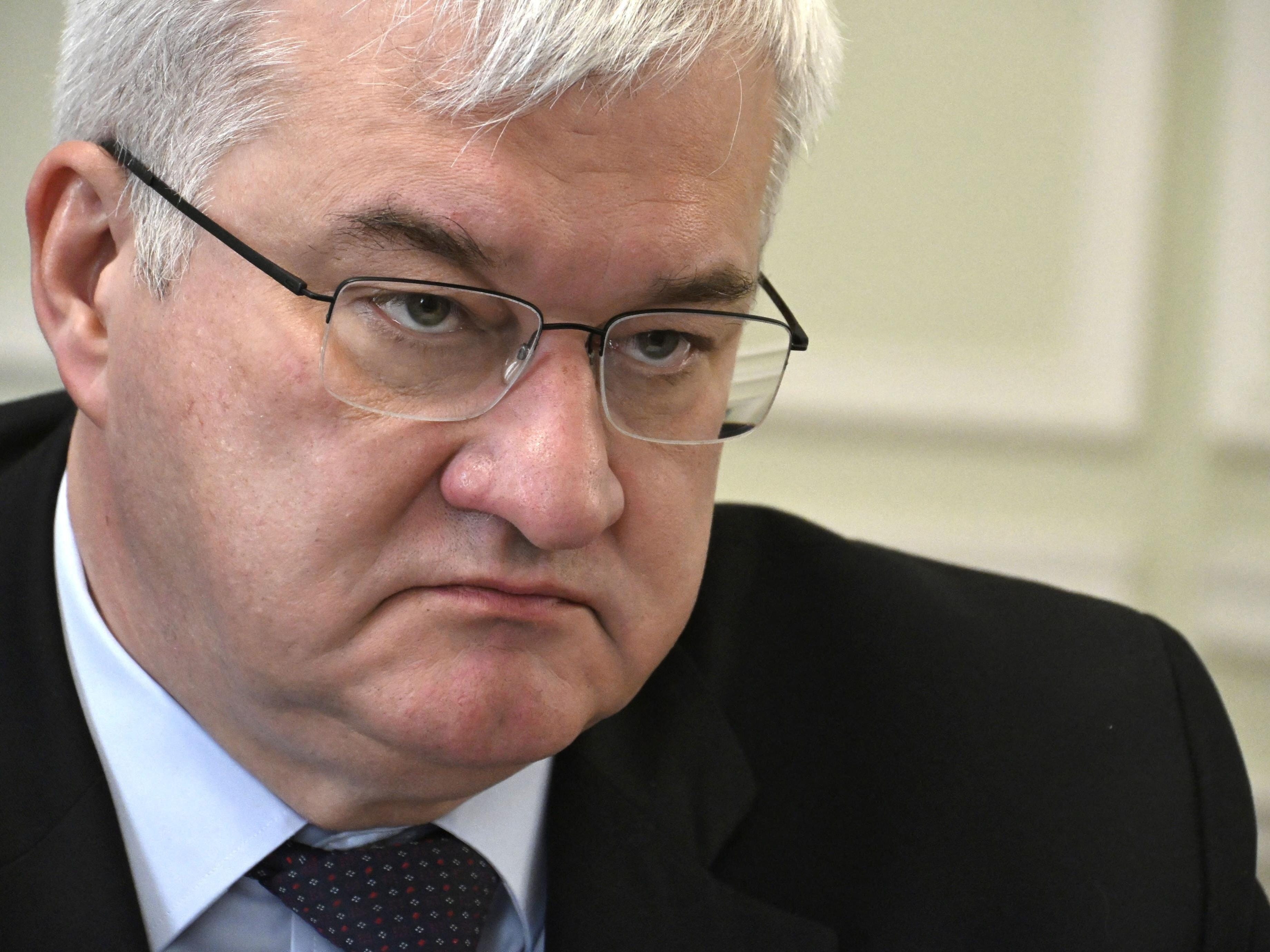
Syhiba wrote on X/Twitter: “This is a strong step toward ensuring accountability for Russian aggression against Ukraine. Belgium became the 24th state to express its intent to join the Tribunal. We urge all states to become part of our historic accountability effort. Justice is essential for a comprehensive and lasting peace.”
The agreement is scheduled for a vote by the Committee of Ministers of the Council of Europe on May 14-15 in Chișinău, Moldova.
“Those who unleashed the war against our country and continue to wage it must know that justice for the crime of aggression against Ukraine is inevitable,” said Syhiba.
Along with Belgium, Greece and Finland are the latest to join what’s officially being called the “Extended Partial Agreement on the Establishment of a Special Tribunal”. This stage of the process began back in January, when Alain Berset, the Secretary General of the Council of Europe, reported that the Council of Europe together with the EU, had created a task force to develop a “model for the future tribunal for the crime of aggression against Ukraine”. Other supporting countries include: Estonia, Spain, Costa Rica, Latvia, Lithuania, Luxembourg, Moldova, the Netherlands, Germany, Norway, Slovenia, the United Kingdom, Croatia, Sweden, Portugal, France, Iceland, Poland, Austria, and Ukraine.
What this indicates is that ongoing attempts to kill international law — including Trump’s sanctions on the judges of the International Criminal Court — may be failing.
Croatian sociologist and politician Vesna Pusić, who served as First Deputy Prime Minister and Minister of Foreign and European Affairs in the cabinet of Zoran Milanović, told Byline Times she sees it as “a small sign that we are transitioning from complaining about big powers not respecting international law, to doing something about it.”
Pusíc, who documented the war crime trials of the former Yugoslavia at The Hague, added: “If you are a potential war criminal, international tribunals are a tricky thing: you never know who or when they are going to indict.”
According to a statement issued by President Volodymyr Zelensky, the Special Tribunal aims “to hold the senior political and military leadership of Russia accountable, specifically for the criminal decision to launch and wage a war of aggression against Ukraine.”
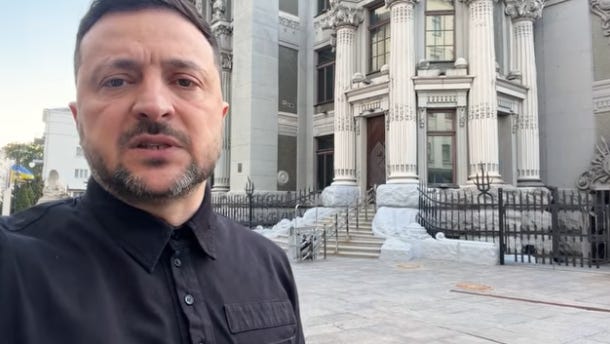
He explained that a new Special Tribunal is needed because “the International Criminal Court cannot fully consider the specific crime of aggression against Ukraine. Therefore, a separate Special Tribunal is needed to close this gap in international law. It is the first tribunal for the crime of aggression since World War II and the third in history — after Nuremberg and Tokyo.”
Since February 2026, an advance team has begun its work in The Hague and Strasbourg, preparing the tribunal’s launch, with the EU already approving €10 million to support the advance team.
Once the May vote in Moldova is confirmed, the tribunal is expected to become fully operational as early next year.
Testing the Limits
Getting to this point, where a vote is imminent, was a years’ long process, beginning on November 21, 2022, when the NATO Parliamentary Assembly recognized the Russian Federation a terrorist state, supporting a resolution to create a Special Tribunal, with EU leadership approving its launch in May 2025.
“The creation of a tribunal is not about politics — it is about responsibility,” Mamuka Mamulashvili, Commander of the Georgian National Legion — Ukraine, told Byline Times. “For years, Russia has tested the limits of the international system, and every time it avoided real consequences, it moved further. What is happening in Ukraine today is the result of that impunity.”
Mamulashvili has been fighting in Ukraine against the Russian invaders for more than a decade, surviving multiple assassination attempts, three poisonings, and 33 years of war. At the age of 14, he took part in the Georgian-Russian war in Abkhazia. Towards the end of the conflict, he and his father were taken prisoner. He spent three months in captivity and was later released through a prisoner exchange program.
He said “keeping pressure on Russia is not only about Ukraine. It is about preventing the same scenario from repeating elsewhere — in Georgia, in Moldova, or in any country that values its independence. If aggression is not punished, it becomes a model.”
Justice Keeps On Happening
With Trump and Putin constantly trying to hog the headlines, important developments like this go largely ignored – their goal is to always appear as if they’re winning and in control.
But justice keeps on happening.
Just ask Trump ally Rodrigo Duterte, who learned last week that, at 81, he will stand trial for crimes against humanity.
On April 23, the ICC confirmed charges against the former President of the Philippines, who is accused of the extrajudicial killing of thousands during his violent so-called “war on drugs” between 2011 and 2019.
In a statement, the ICC said charges were unanimously confirmed by pre-trial judges, who had “substantial grounds to believe” that Duterte had committed the alleged crimes.
According to the ICC, more than 500 victims will be taking part in the trial.
Duterte’s lawyers attempted multiple appeals, suggesting he has cognitive impairment. But ICC judges — after conferring with medical experts — determined he was fit to stand trial.
Among the judges presiding over the trial is Nicolas Guillou, who is one of the 11 judges and prosecutors at the ICC who were sanctioned under Trump’s State Department, treated like the criminals and terrorists they prosecute.
Mamulashvili, who spent a lifetime dealing with real criminals and terrorists, said he sees the cost of this war every day on the front line.
“Without sustained pressure — political, economic, and legal — there will be no real deterrence, and no lasting security. That is why accountability matters. A tribunal is one of the steps the international community can take to show that there are consequences, and that international law still has meaning.”
Emmy award-winning investigative reporter, Heidi Siegmund Cuda is an American correspondent for Byline Times and her Hot Type column runs bimonthly on Byline Times Substack. She is a #1 Amazon bestselling author, the co-host of RADICALIZED Truth Survives podcast, and her Bette Dangerous Substack is read in 99 countries.
It seems as though by going too far, some leaders (Trump?) bring on their own destruction.
It's certainly what happened (in a smaller way) to Johnson in the UK.
How long before the same happens to Farage, I wonder?
I do hope Reform hits the wall on Thursday. Given the way they've been claiming inevitable massive success, they really do have to deliver this time.
Fingers firmly crossed.