

It is easy to lampoon historical fiction. All those wimples and whalebone corsets, all those stories which bear little relationship to historical fact. Television adaptations generally do nothing to elevate the form. Why bother to make the imaginative leap necessary to step into the past when historical characters are presented as the same as us except wearing fancy dress?
But historical fiction is a broad church and, at its best, it can do a great deal more than simply entertain. Mainstream history is the skimmed milk of the past. It rarely tells us what we actually want to know, what it felt like to be there. It may give us facts, but it stops short of situating us imaginatively in the past. How does this affect us as readers? What can we get from an historical novel that we cannot get from non-fiction accounts?
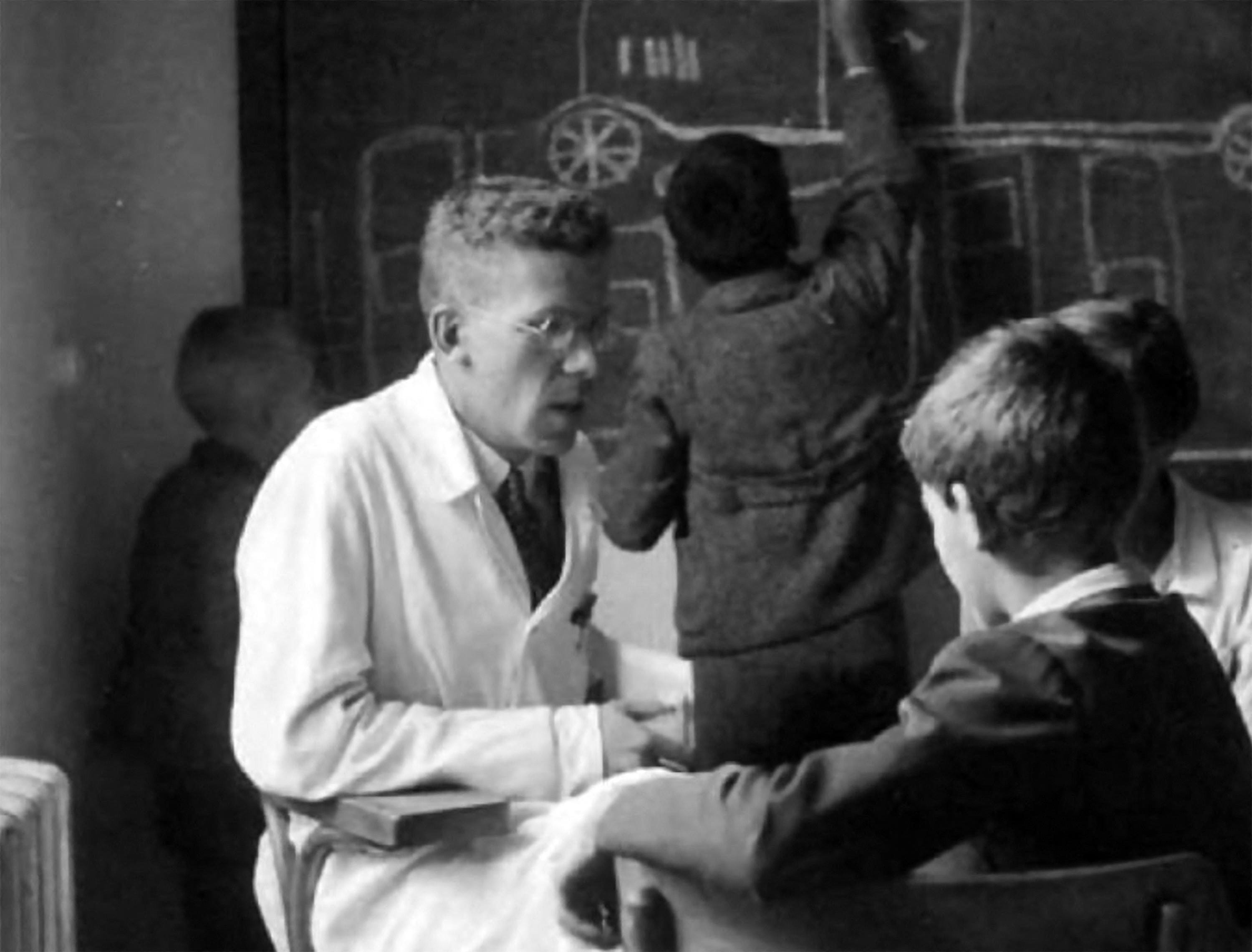
This question was very much in my head in 2018 when I set out to write a novel about Dr Hans Asperger who worked at the world-famous Curative Education Ward in the Vienna Children’s Hospital in the 1930s. Asperger was a pioneer of autism research but his work was lost for decades. When it was rediscovered, he came to be known as ‘the father of neurodiversity.’
Then, more recently, paperwork came to light which revealed that Asperger was a Nazi collaborator. I wanted to know how, and why, a man who undoubtedly cared deeply for troubled children finished up signing paperwork which was effectively a death warrant for more severely disabled children.
I knew this subject matter would be difficult. This was recent, controversial, heavy-weight history. Was the historical novel the appropriate form in which to tell this story? My novel might have consequences for the living members of the Asperger family and for the neurodivergent self-styled ‘Aspies’ who borrow his name. Also, I know myself to be dangerously porous. Might my desire to understand lead me into a dangerous moral relativism?
It would certainly need more than mere fancy dress to explain Asperger’s story.
